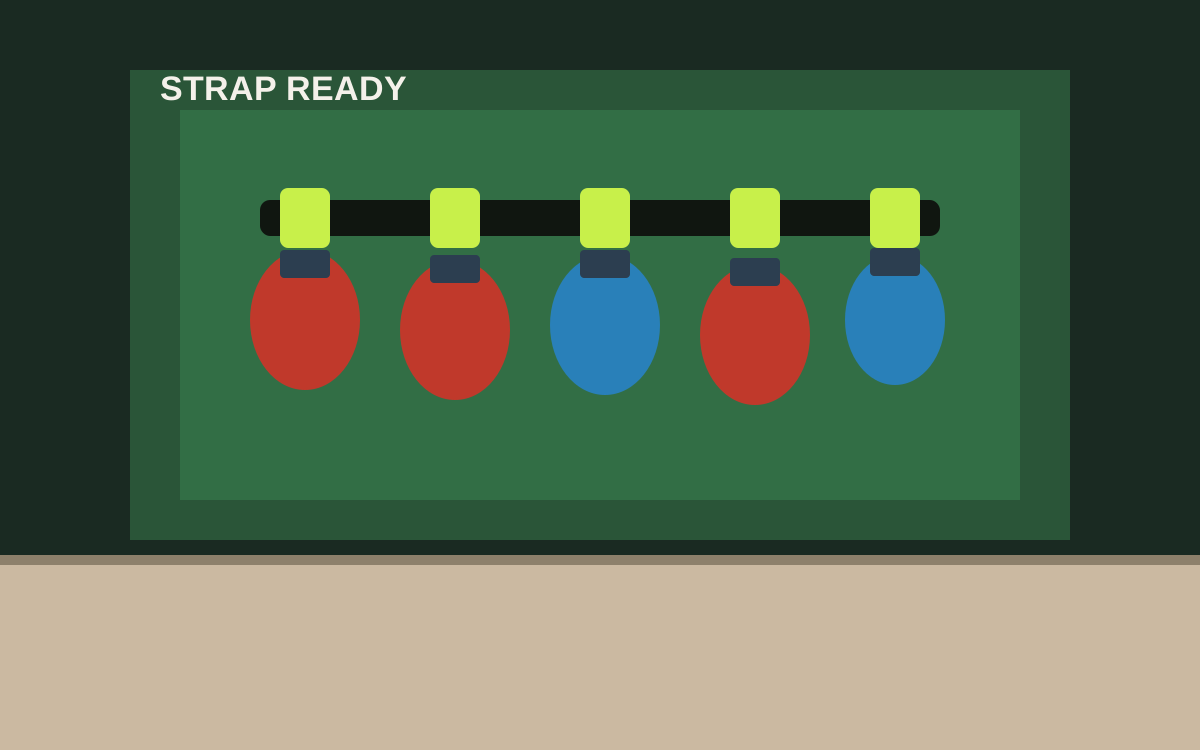
For most garages, the best under-$50 ratchet strap hanger is a screw-mounted rail or multi-hook rack that holds coiled straps by the handle or loop, keeps ratchets from nesting into a knot, and mounts into a stud where you can grab a pair in one motion. Choose a wider rail when you own more than four straps or mix cam buckles with ratchet styles.
Shop ratchet strap hangers on Amazon
Who this is for
- DIYers who haul lumber, furniture, or trailers and hate hunting for straps
- Garage owners who want ratchet straps off the floor and out of a tangled bin
- Anyone comparing a simple hook rail with a dedicated strap organizer
Quick answer
For most garages, the best under-$50 ratchet strap hanger is a screw-mounted rail or multi-hook rack that holds coiled straps by the handle or loop, keeps ratchets from nesting into a knot, and mounts into a stud where you can grab a pair in one motion. Choose a wider rail when you own more than four straps or mix cam buckles with ratchet styles.
Quick comparison
| Format | Best for | Typical price band | Why it wins |
|---|---|---|---|
| Multi-hook strap rail | Households with several coiled straps | Usually $15-$30 | Keeps pairs visible and grab-ready |
| Peg or pin rack for loops | Light cam buckles and spare webbing | Usually $12-$25 | Simple hang points without a bulky frame |
| Shelf-edge or cleat strap bar | French-cleat walls that already hold accessories | Usually $20-$40 | Adds straps without a second wall system |
| Bin-plus-hook hybrid | Mixed ratchet heads and loose ends | Usually $25-$45 | Contains hardware while hanging clean coils |
What to look for
Separate the coil from the ratchet head
A good hanger gives the metal ratchet a defined seat so coils do not crush the mechanism or tangle the webbing. Open hooks that only catch a loop often let heavy ratchets slide and knot overnight.
Capacity for the straps you actually own
Count your straps, including spare webbing and cam-buckle ties. A two-hook plate looks tidy in photos and overflows the first busy weekend. Leave empty slots for the next pair you buy.
Mount for yank-and-go use
You will pull straps with one hand while loading a truck. Prefer a broad backplate into a stud over adhesive cups or a single light hook that twists when a coil snags.
Keep webbing clean and dry
Mount above splash, salt, and floor grit. Wet, dirty webbing ages faster and binds in the ratchet. A wall hanger is storage, not a substitute for wiping straps after a muddy haul.
Where each style earns its place
Multi-hook rail: the practical default
A short rail with several stout hooks is hard to beat when you own matching strap pairs. Hang each coil by the handle or a formed loop so the ratchet hangs clear. Look for coated hooks that will not cut webbing.
Peg rack: lean for light straps
Pegs or pins work for cam buckles and light webbing when the heads are small. They are less ideal for large ratchet heads that need a deeper throat or a cradle.
Cleat bar or hybrid: best on an existing wall system
If you already run French cleats or track rail, a strap bar that shares that system avoids another stud line. Confirm the accessory lockup is rated for a full row of coiled straps, not just empty hangers.
How to choose without overbuying
Coil the way you store
Roll each strap the way you actually put it away, measure the coil diameter, and note ratchet size. Shop from those dimensions instead of a stock photo of two tidy red straps.
Prefer defined seats over shallow nails
Nails and skinny screw hooks invite coils to walk off. A formed hook, pin with a lip, or short cradle keeps straps put when the door slams.
Group pairs together
Mount so matched length pairs hang side by side. Searching a mixed wall for two 16-foot straps wastes the time you just saved by hanging them.
Treat price bands as moving targets
Typical under-$50 bands shift with pack counts and finishes. Verify live dimensions, hardware, and price on the retailer page before ordering.
Installation that stays tidy
Pick a load-out wall
Place the hanger near the vehicle or trailer path, not behind a stack of bins. You should be able to grab straps without walking a dirty coil across a workbench.
Hit a stud and level the rail
Use all fixing holes. A crooked rail makes heavy ratchets drift toward the low end and tangle.
Test with your heaviest pair
Hang the largest coils, tug once the way you will on a rushed morning, and watch for flex or webbing scrape. Adjust spacing before you fill every hook.
Leave a wipe-down spot
Keep a rag or small shelf nearby so muddy straps get a quick clean before they hang. Dirt left in the ratchet shortens service life.
Mistakes to avoid
- Tossing straps into an open bin where ratchets knit themselves overnight.
- Using adhesive hooks for a full set of heavy ratchet coils.
- Hanging straps so low that tires, salt, or standing water soak the webbing.
- Mixing every length on one overcrowded hook until pairs are impossible to match.
- Assuming a generic “utility hook” geometry will cradle a bulky ratchet head.
Related guides
Browse the hub: Garage wall storage under $50 - all guides
Related hub: Apartment no-drill storage under $50 — only for light adhesive spare-strap hooks, not full ratchet sets.
- Best Duct Tape Wall Holders Under $50
- Best Zip Tie Organizers Under $50
- Extension Cord Storage Ideas That Keep Floors Clear
- Best Bungee Cord Wall Organizers Under $50 for Garage
FAQ
What is the best ratchet strap hanger for a garage wall?
For most garages, choose a screw-mounted multi-hook rail that seats each coil so the ratchet hangs clear, mounts into a stud, and leaves empty slots for growth.
Can I hang ratchet straps on pegboard?
Yes for lighter cam buckles and spare webbing if the pegboard is properly spaced off the wall and rated for the load. Heavy ratchet heads are usually happier on a dedicated rail or cleat accessory.
How should ratchet straps be stored?
Coil them loosely, keep the ratchet mechanism free of mud, hang matched pairs together, and keep webbing off a damp floor. Inspect for cuts, UV damage, and sticky releases before the next haul.
Are adhesive hangers OK for straps?
Only for a very light spare. Daily grab-and-go strap sets belong on mechanical fasteners into studs or masonry.
Bottom line
A ratchet strap hanger pays for itself the first time you load a truck without untangling a bin. Give each coil a defined seat, screw the rail into a stud near the vehicle path, and keep matched pairs together. Under $50, a simple multi-hook rail is usually enough; graduate to a cleat or track accessory only when the rest of the wall already runs on that system.